


01 / BUILD
Find the Framework
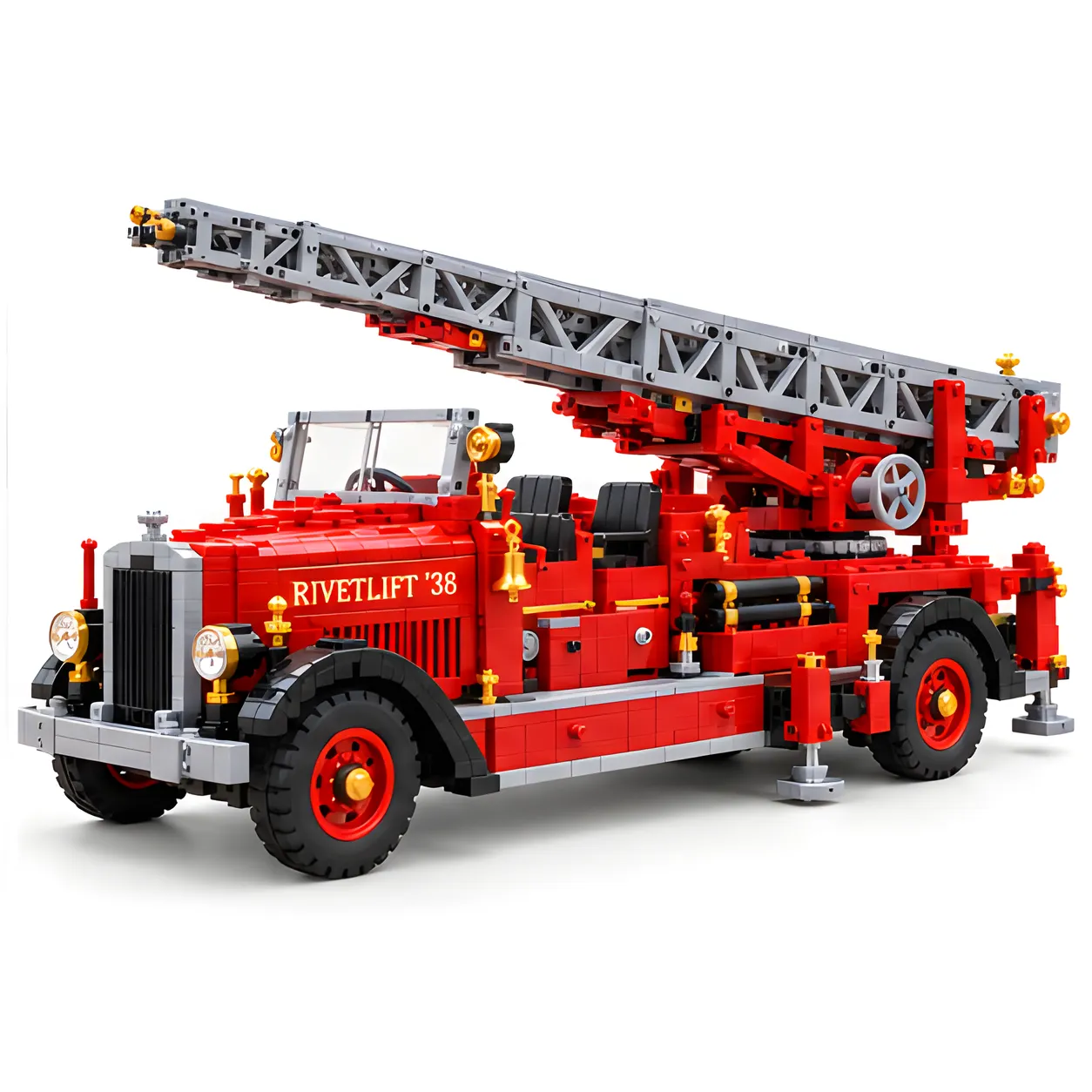
Follow the triangular gray ladderwork as it grows above the rear deck and gives the truck its defining geometry.

Late-1930s Firehouse Engineering
By the late 1930s, turntable ladder trucks had become specialized fire-service machines for reaching upper floors, directing water from height, and supporting rescues in growing cities. Their steel aerials, upright commercial-truck fronts, and open crew layouts capture a distinct pre-war engineering era.
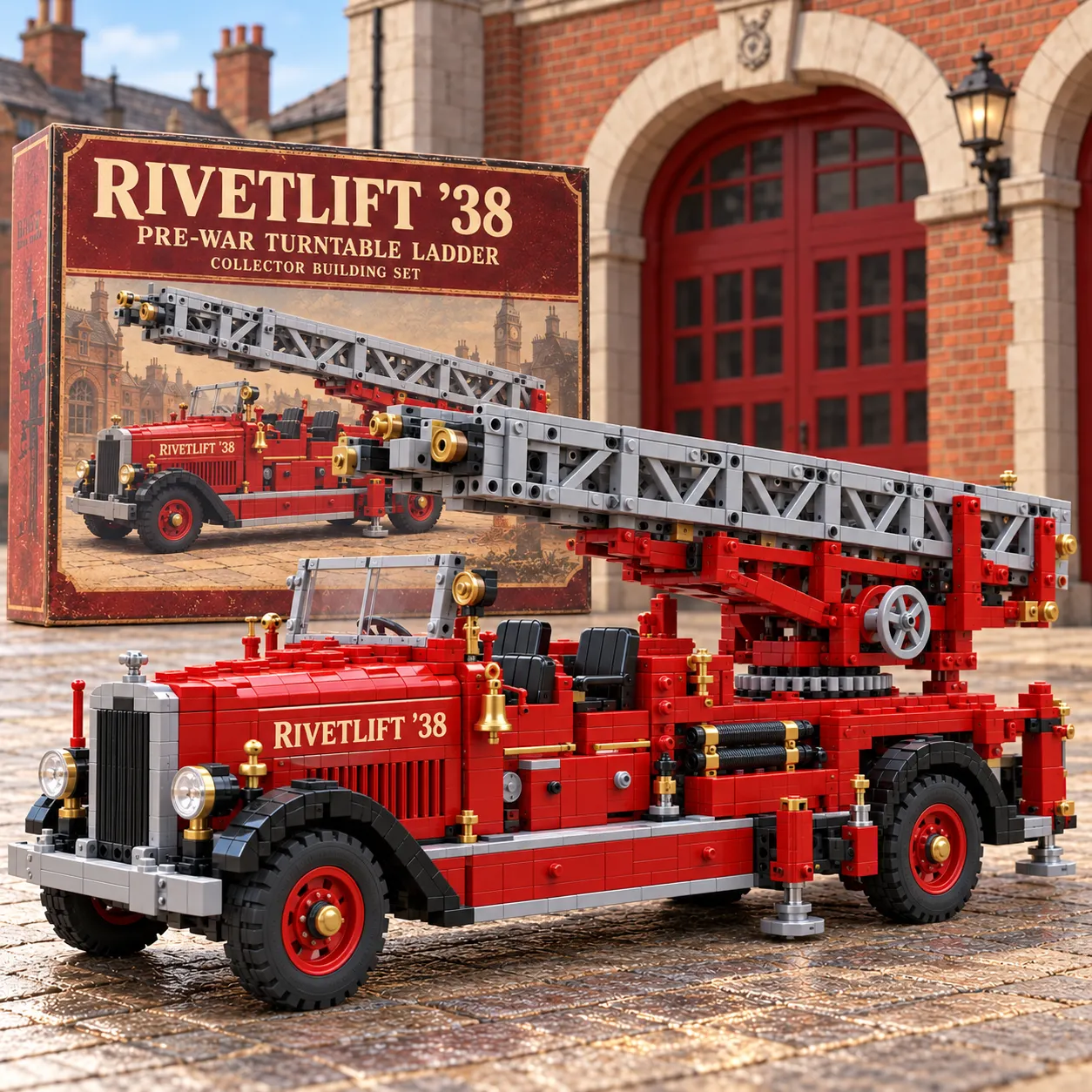
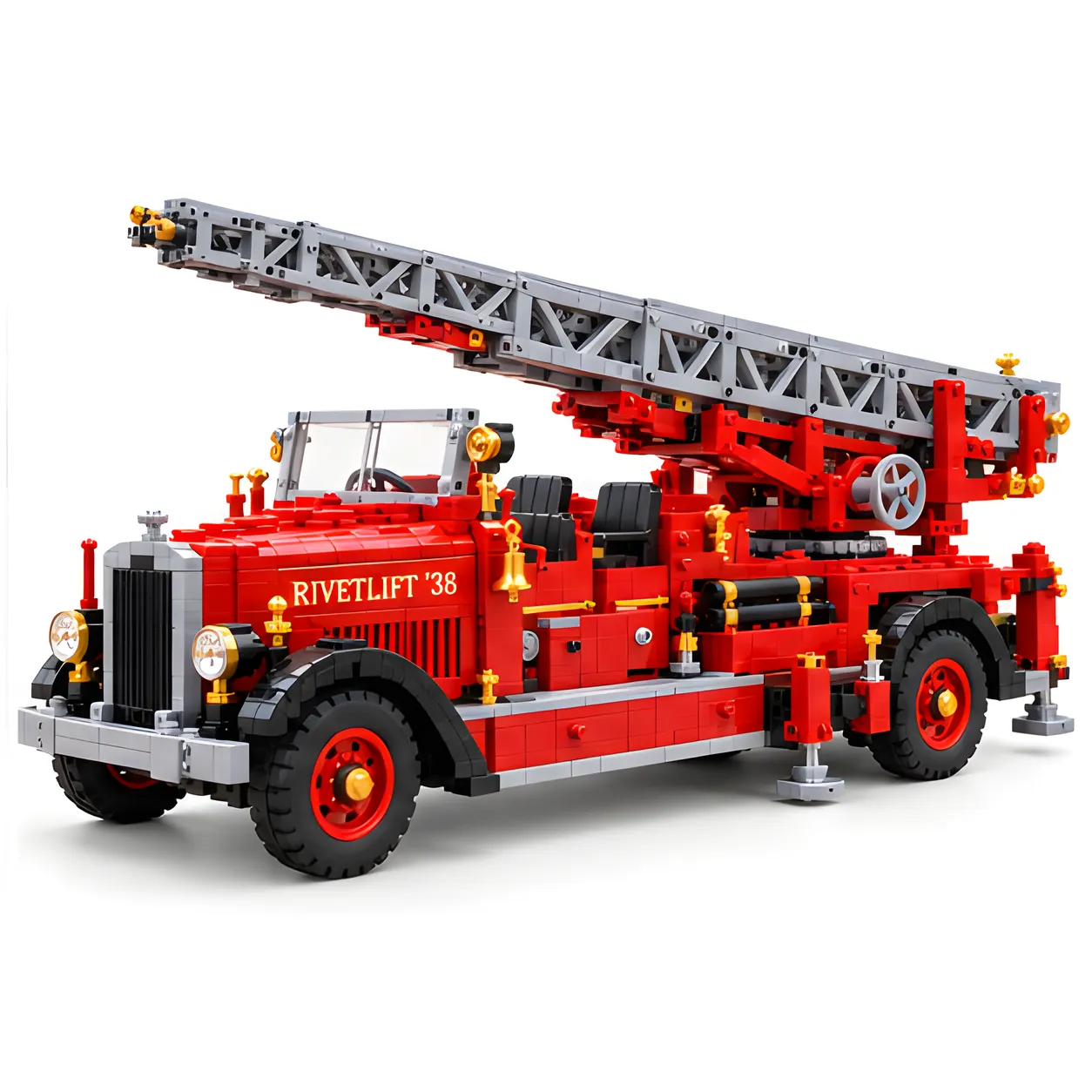
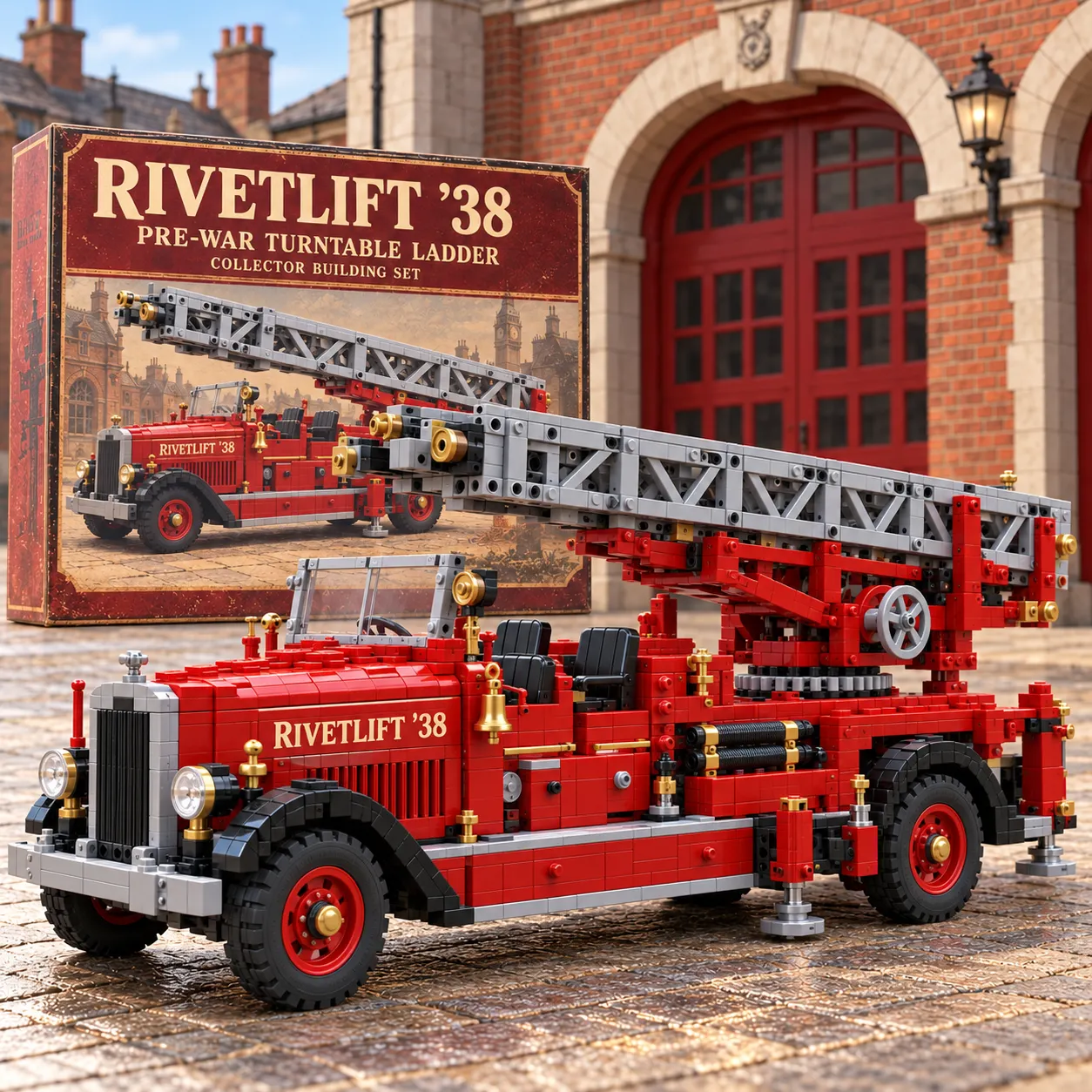
RIVETLIFT '38 turns that history into a hands-on brick build with a long gray truss aerial, red bodywork, an open two-seat crew area, round lamps, brass-tone accents, and visible support jacks. It is aimed at adult fire-apparatus fans, vintage-truck collectors, and builders who like mechanical subjects with a strong display profile.
A pre-war firehouse icon, finished by your hands
What Gives This Build Its Identity
From the gray aerial structure to the open crew area, the appeal comes from features that belong to this particular kind of pre-war apparatus.
When an Old Fire Truck Catches Your Eye
Spot one at a fire museum, a parade, or in an old city photograph and the shape is hard to miss: a tall radiator front, round lamps, open seating, and a long aerial structure riding above the chassis. Those features came from an era when fire brigades were adapting motor vehicles to the growing challenge of reaching higher floors.
RIVETLIFT '38 carries those cues into a build you assemble yourself. The red body develops around the upright grille and two-seat crew area before the gray ladderwork and rear support structure give the truck its full silhouette. The interest starts with the history, becomes a hands-on project, and ends as a piece worth keeping in view.
The gray aerial sets the silhouette; the small brass-tone details make you stay for a second look.
Share the Table, Follow the Ladder
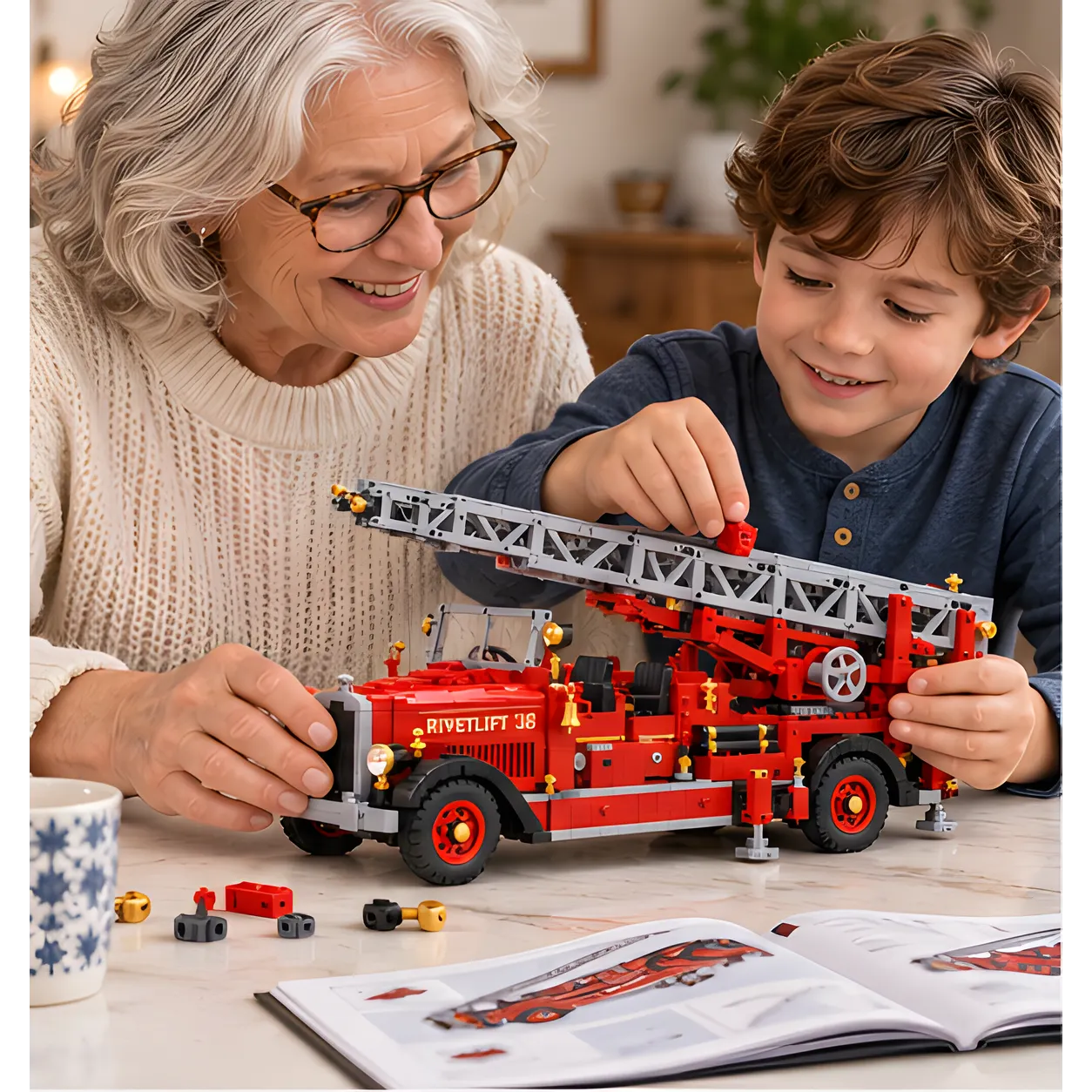
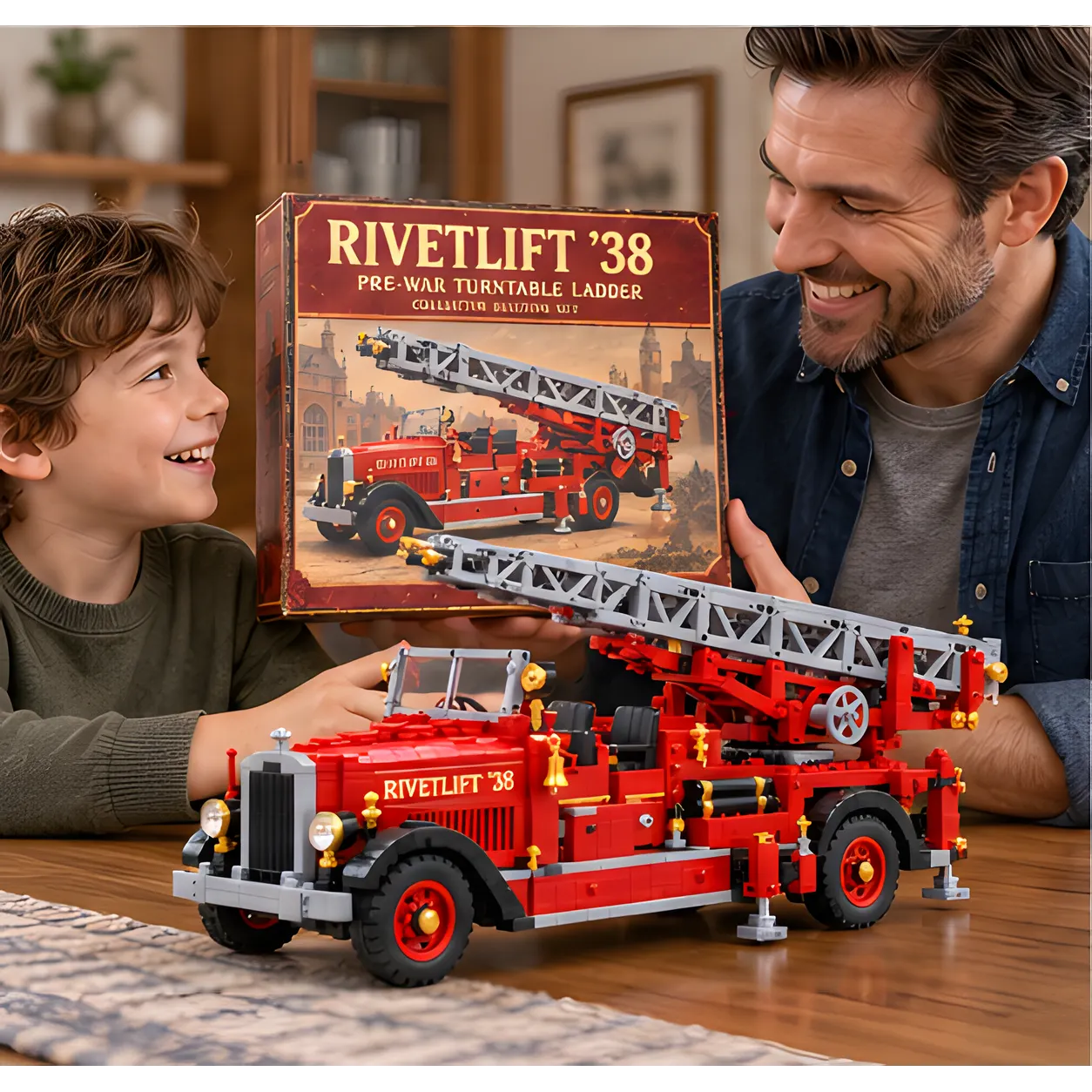
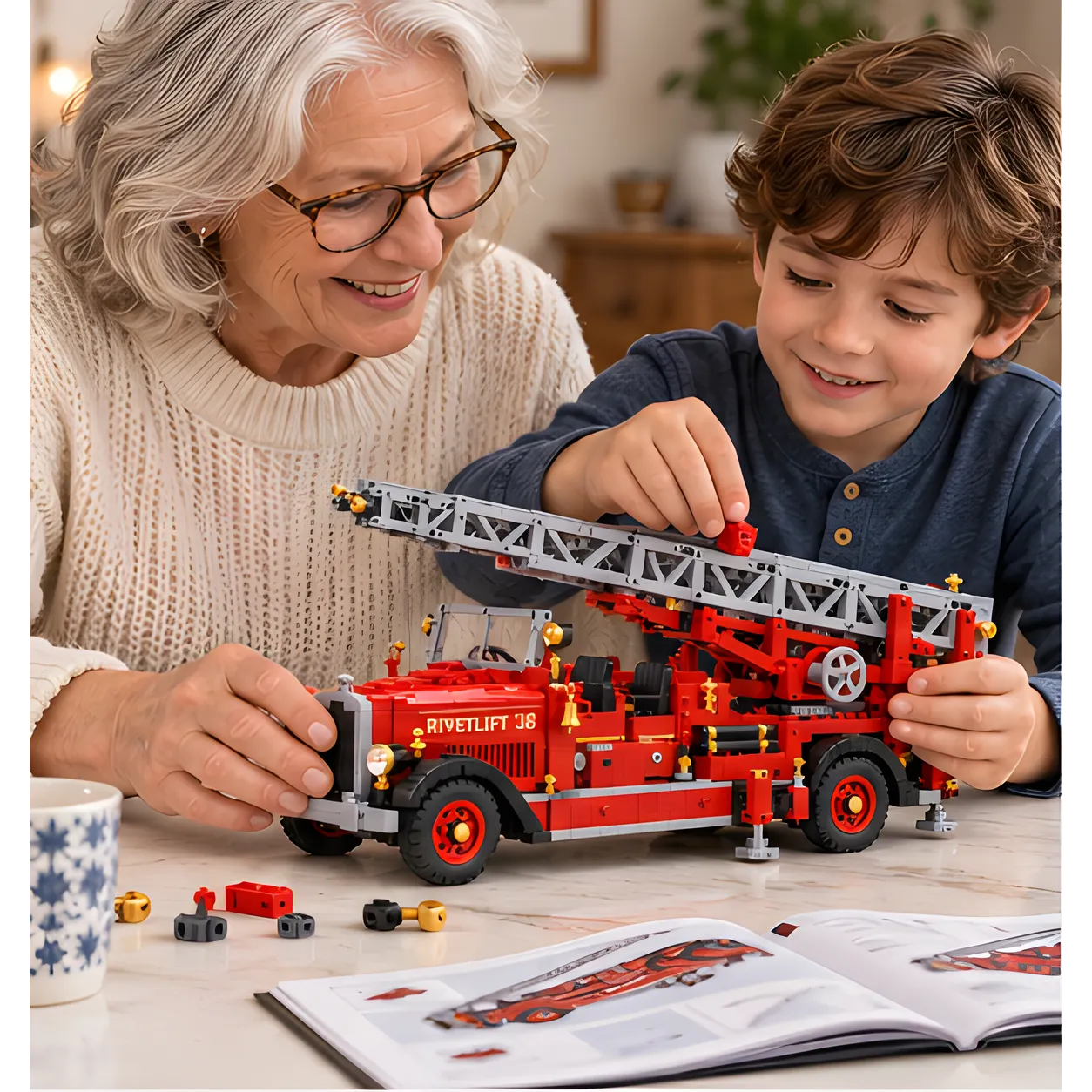
Imagine clearing a table, separating the red body pieces from the gray ladder sections, and deciding who starts with the chassis while the other gathers the small gold-tone accents. The open cab and long aerial give you natural sections to work through without turning the session into a race.
As the upright front end and rear ladder structure come together, there is always something concrete to point out, compare, or pass across the table. When the last section is in place, leave the finished truck on a shelf or desk as a reminder of the time spent making it together.
One person finds the next piece; both get to watch the fire truck take shape.
Three Ways to Enjoy the Set
The red chassis, open seating, and gray aerial each add a different layer to the project.
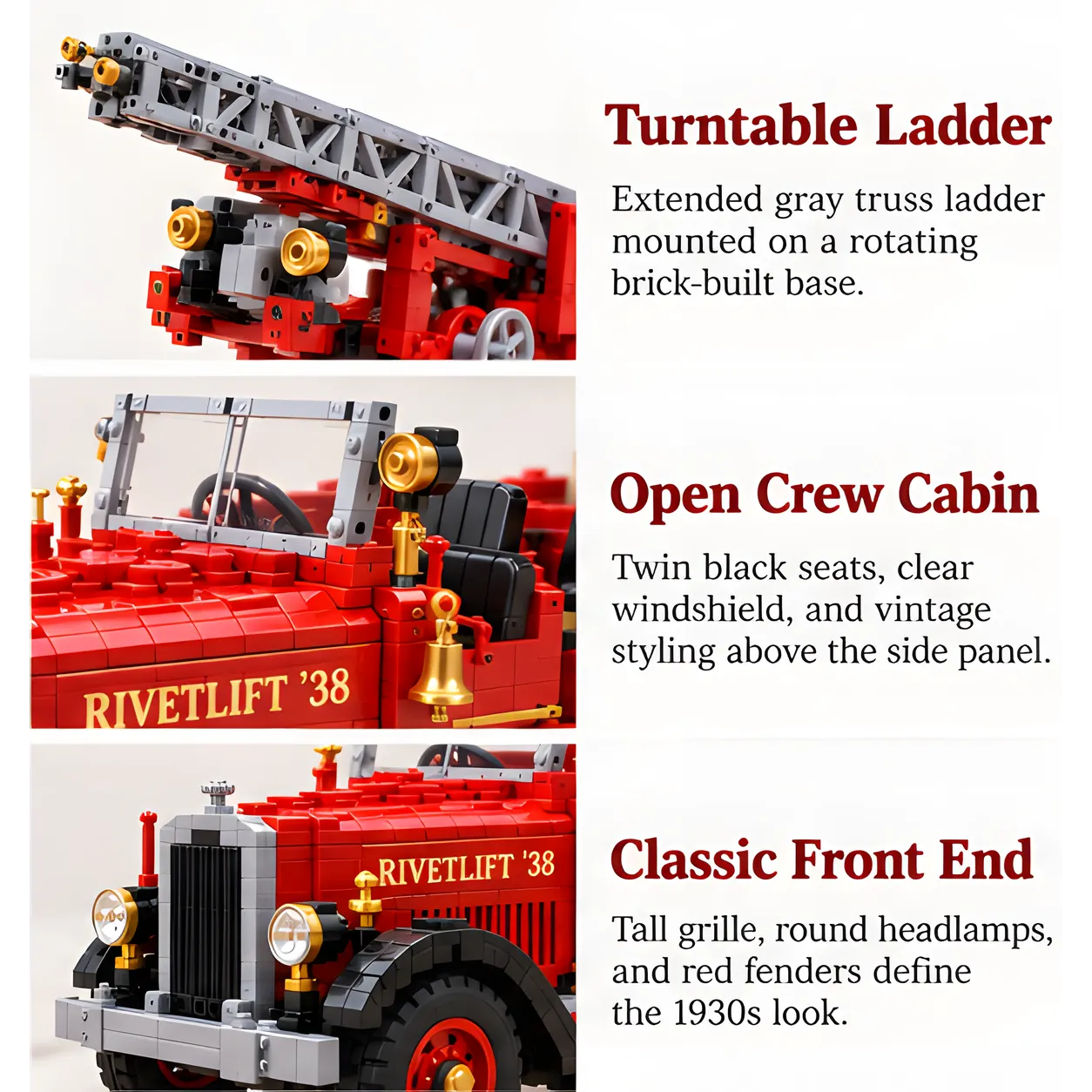
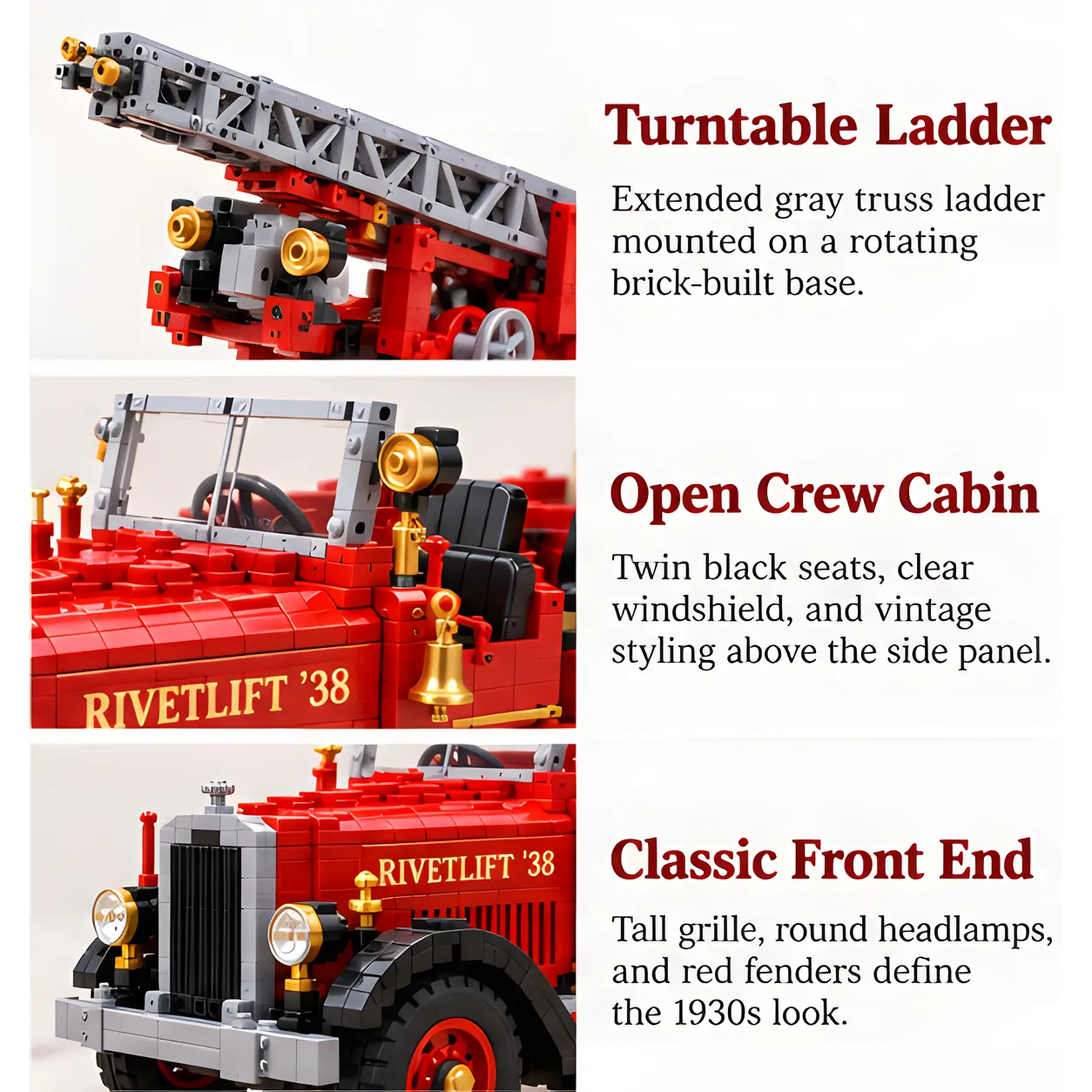
Follow the triangular gray ladderwork as it grows above the rear deck and gives the truck its defining geometry.
The open crew area and visible ground stabilizers recall the transitional engineering of late-1930s aerial fire apparatus.
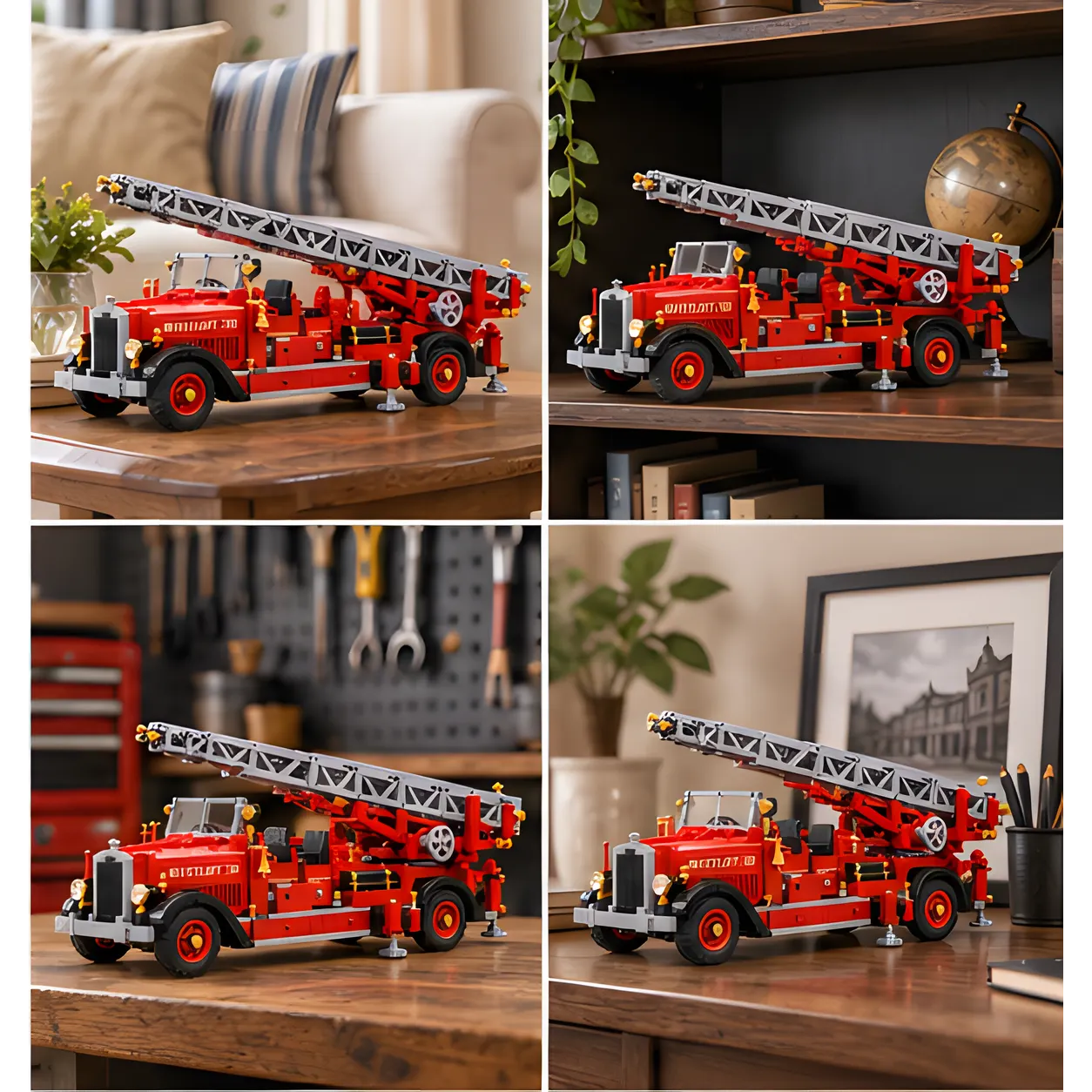
The tall grille, separate fenders, and long overhead structure create a side view that reads clearly even across a room.
Three Details With Historical Roots
Each close-up points to a feature that mattered to the real fire apparatus of the interwar period.
From Loose Pieces to a 1930s Silhouette
The satisfaction comes from seeing specific fire-apparatus cues appear one section at a time.
Start with the red chassis pieces, dark tires, and small brass-tone accents grouped where you can reach them.
The tall grille, open seating, and triangular gray ladderwork make the late-1930s identity recognizable before the build is finished.
Finish the rear platform and stabilizing feet, then leave the completed truck where its long side profile can be appreciated.
After the Firehouse Build Is Finished
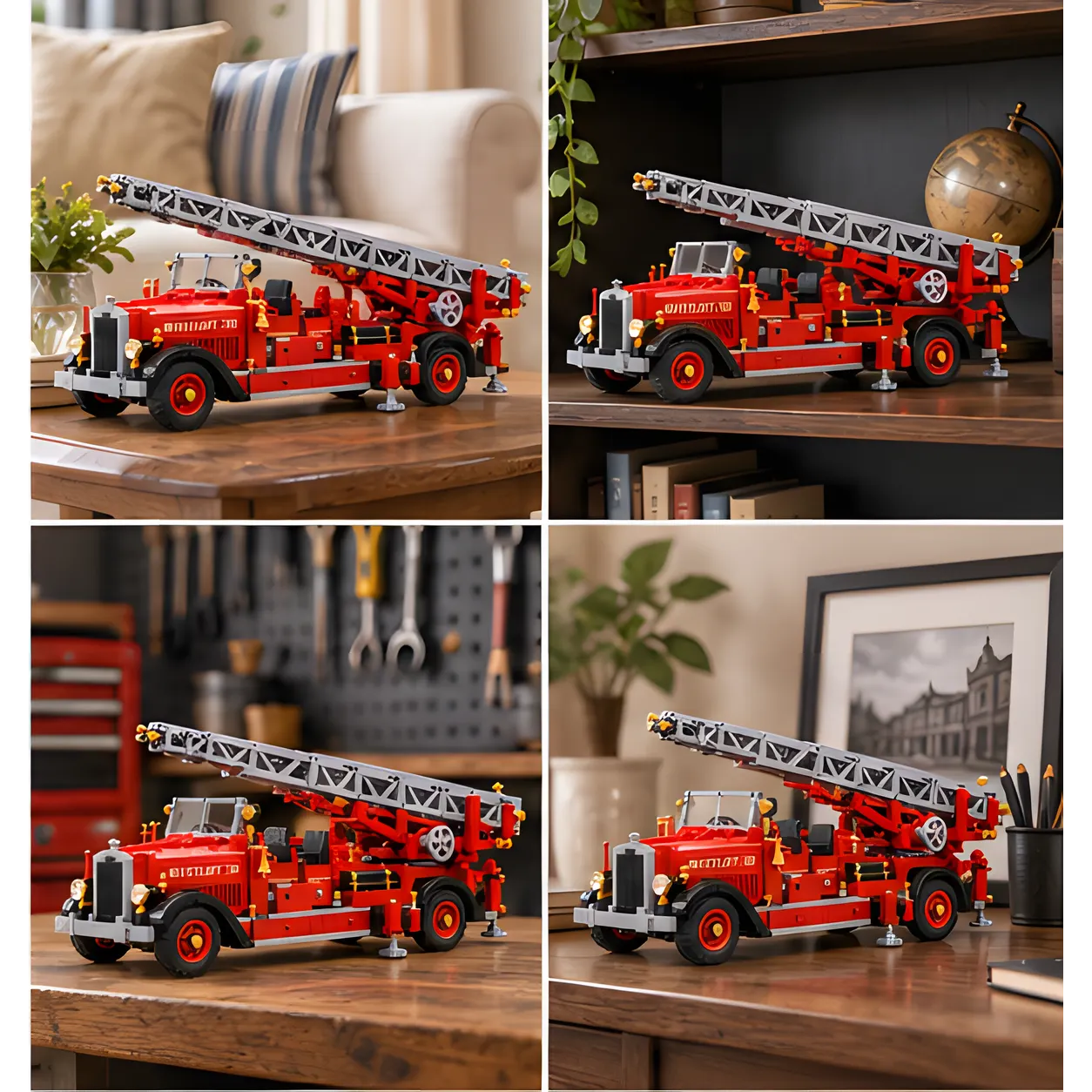
This is the kind of finished build that earns its space through silhouette: red bodywork below, gray aerial structure above, and a distinctly pre-war front end.
Trade Scrolling for a Firehouse Project
Set the phone aside and spend an evening sorting red bodywork, gray truss sections, and the small gold-tone details around the open cab. Invite someone to share the table, work through different sections, and finish with a distinctive firehouse build you can leave on display.
For Someone Who Notices Vintage Fire Apparatus
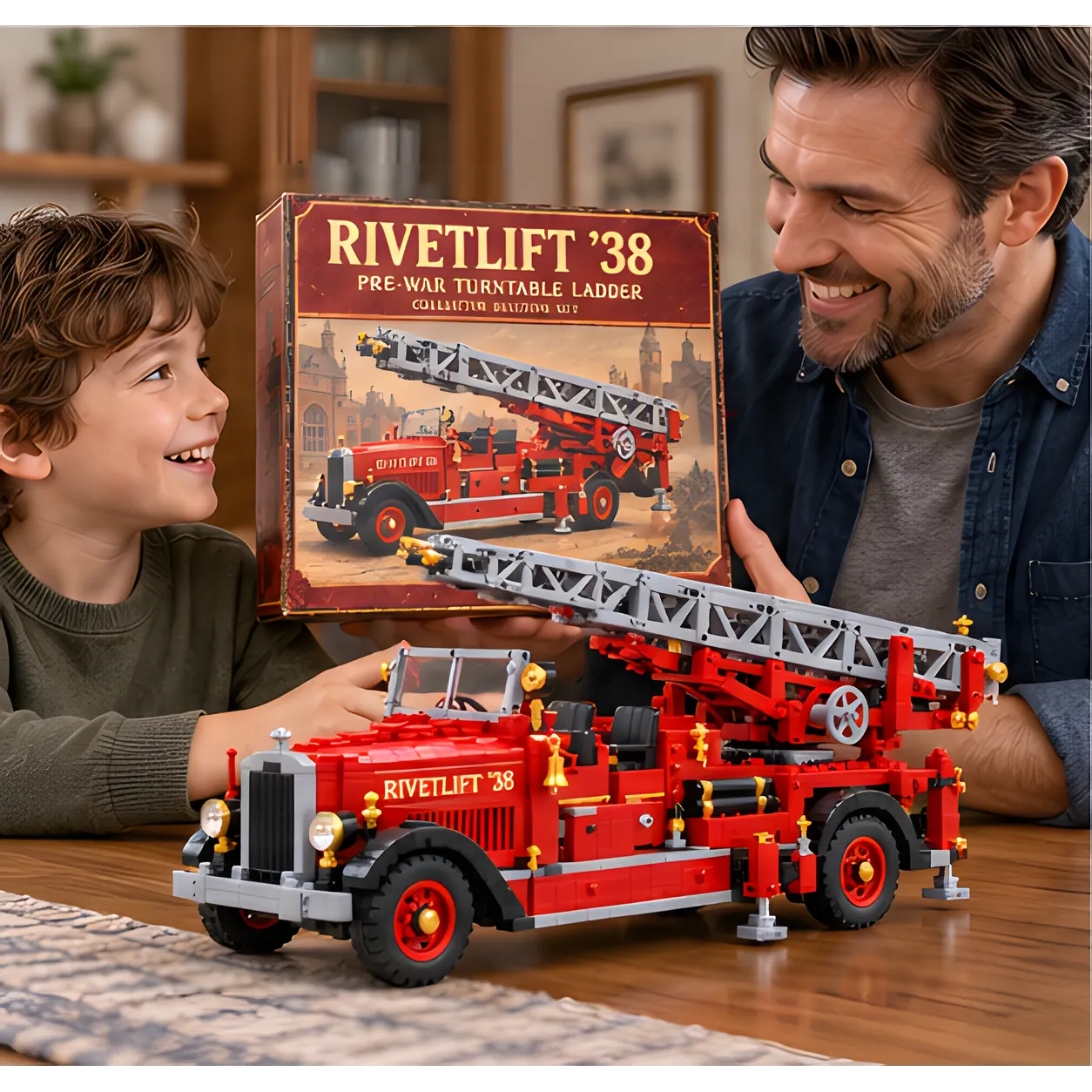
A strong choice for a birthday, retirement, Father's Day, holiday, or personal milestone for an adult fire-service enthusiast, vintage-truck collector, mechanical-history fan, or dedicated brick builder.
The gift has two clear parts: time spent assembling the open cab, tall front end, ladder structure, and support details; then a finished red pre-war fire truck that can stay on a shelf, desk, or cabinet long after the build session ends.
Build the firehouse era. Keep the evening.GOOD TO KNOW
No. It is a brick building set designed to be assembled piece by piece.
The defining feature is the long gray truss aerial mounted above the rear turntable-style structure, balanced by the open crew area and tall front grille.
Yes. Its red body, long overhead ladder line, round lamps, and upright front end give it a strong vintage-firehouse profile for a shelf, desk, or cabinet.
Yes. The chassis, cab, rear platform, and aerial structure give two builders natural sections to work through together. The set contains small parts, so younger children should build with adult supervision.
It suits adult fire-apparatus enthusiasts, vintage-truck collectors, mechanical-history fans, and people who enjoy detailed hands-on brick projects.
Yes, it's perfectly compatible with LEGO bricks!
A Pre-War Firehouse Shape Worth Finishing
The details make the late-1930s fire-service character recognizable; assembling them by hand is what turns the finished truck into something worth keeping.
THE BUILD JOURNEY
Explore the six steps that bring every build to life.

Every build begins with an idea, refined through sketches and digital models.

Colors, textures, and individual pieces come together to shape the design.

The design takes physical form, with attention to each piece and connection.

Parts are sorted and counted, ready for a clear, organized building experience.

Pieces and instructions are brought together in a set ready to open and enjoy.

The finished set is packed for its next destination: your building table.
Process images are for illustration only.
BUILT FOR CURIOUS MINDS
Discover the details. Enjoy the build. Display what you create.
Connect each piece and enjoy seeing your model take shape, one detail at a time.
Explore distinctive forms and small details that give the finished model its character.
Take time to build, discover how it all fits together, and create something to display.
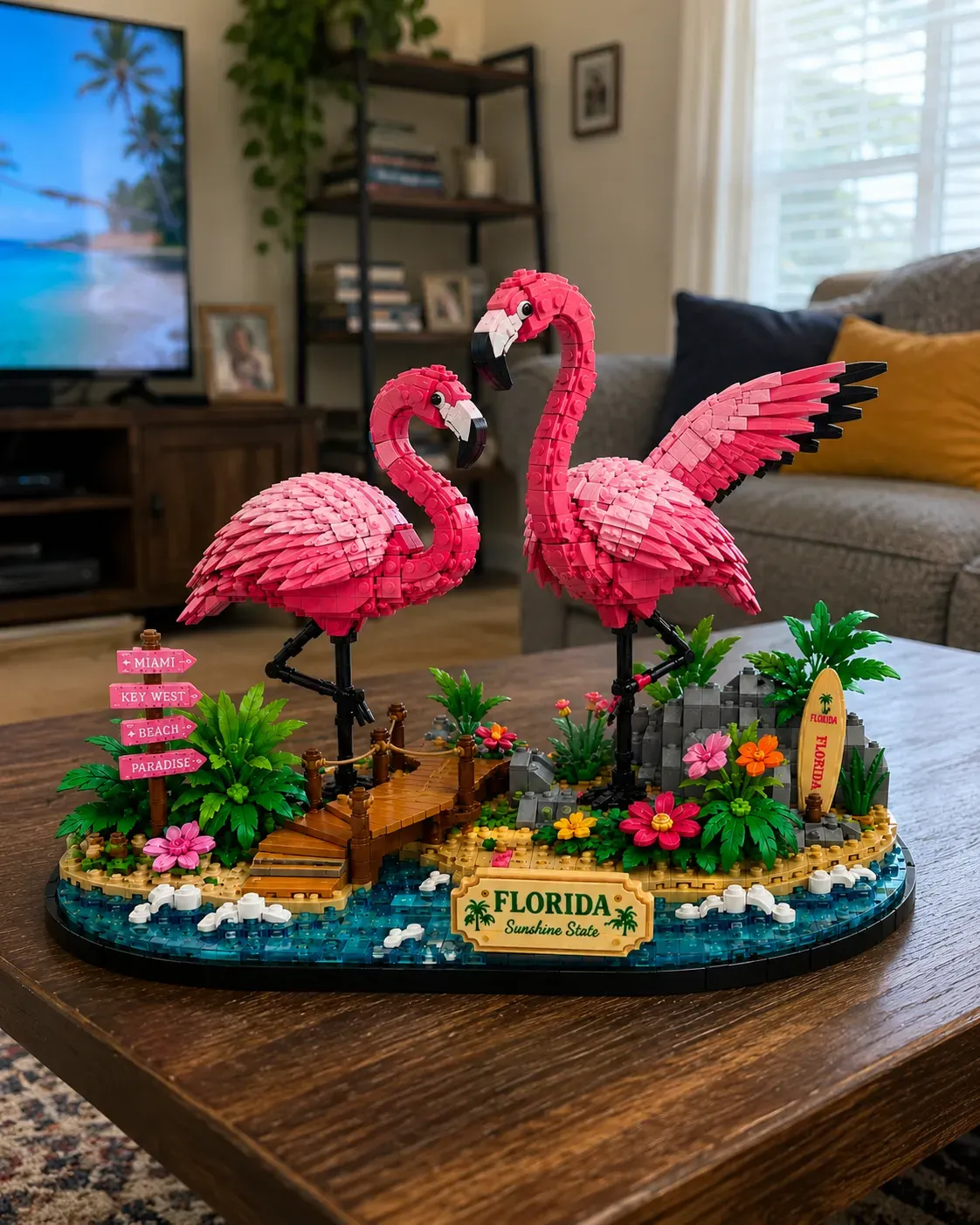
“The colors make this such a cheerful display. Watching the scene come together was my favorite part of the build.”— Olivia Bennett
“A relaxing project for a quiet afternoon. I liked taking my time with the small details and seeing the finished result.”— Ethan Carter

“The character has so much personality on the shelf. Some of the tiny pieces took patience, but I enjoyed the challenge.”— Sophia Reed
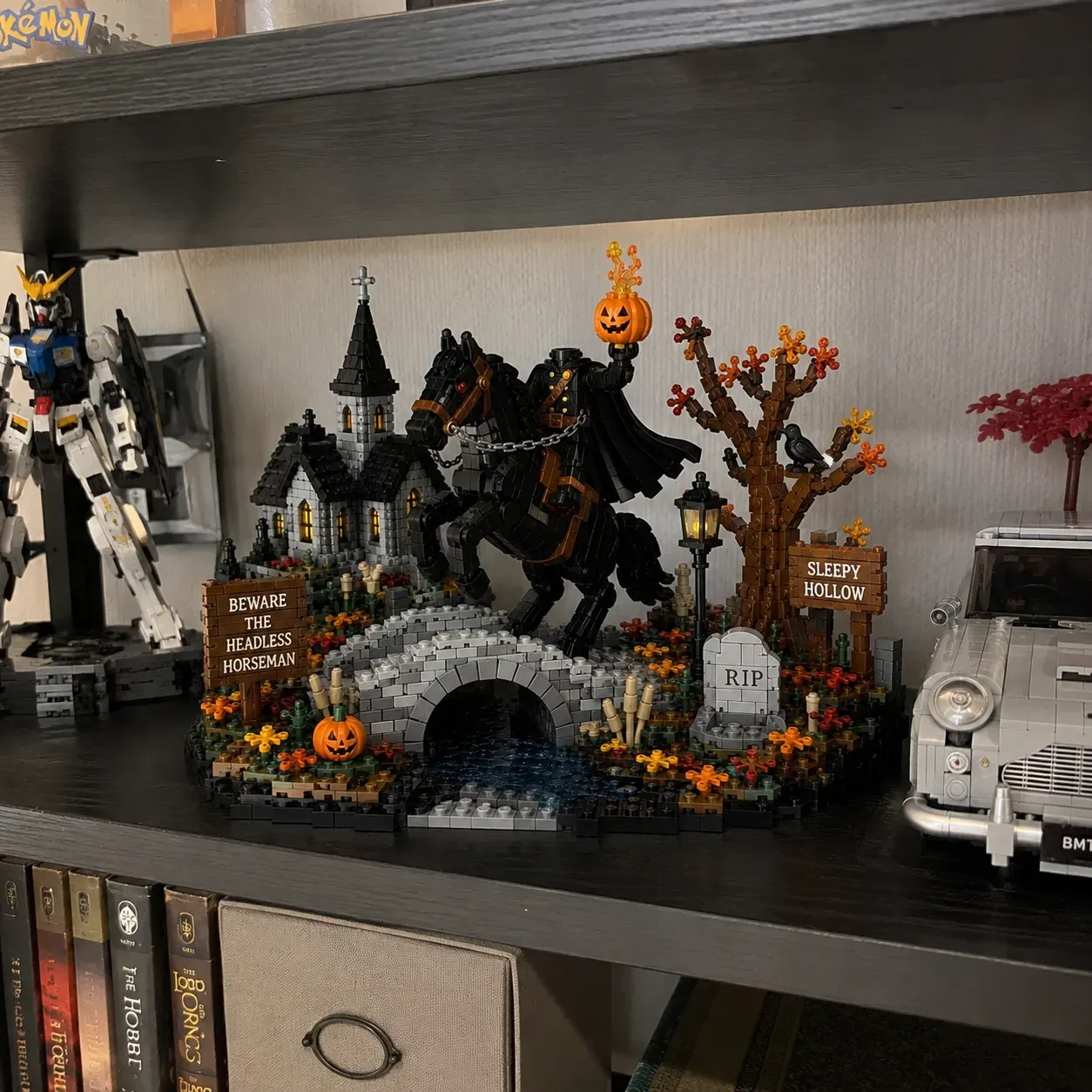
“There are little details to discover throughout the scene. It was a fun seasonal project to put together and display.”— Lucas Morgan
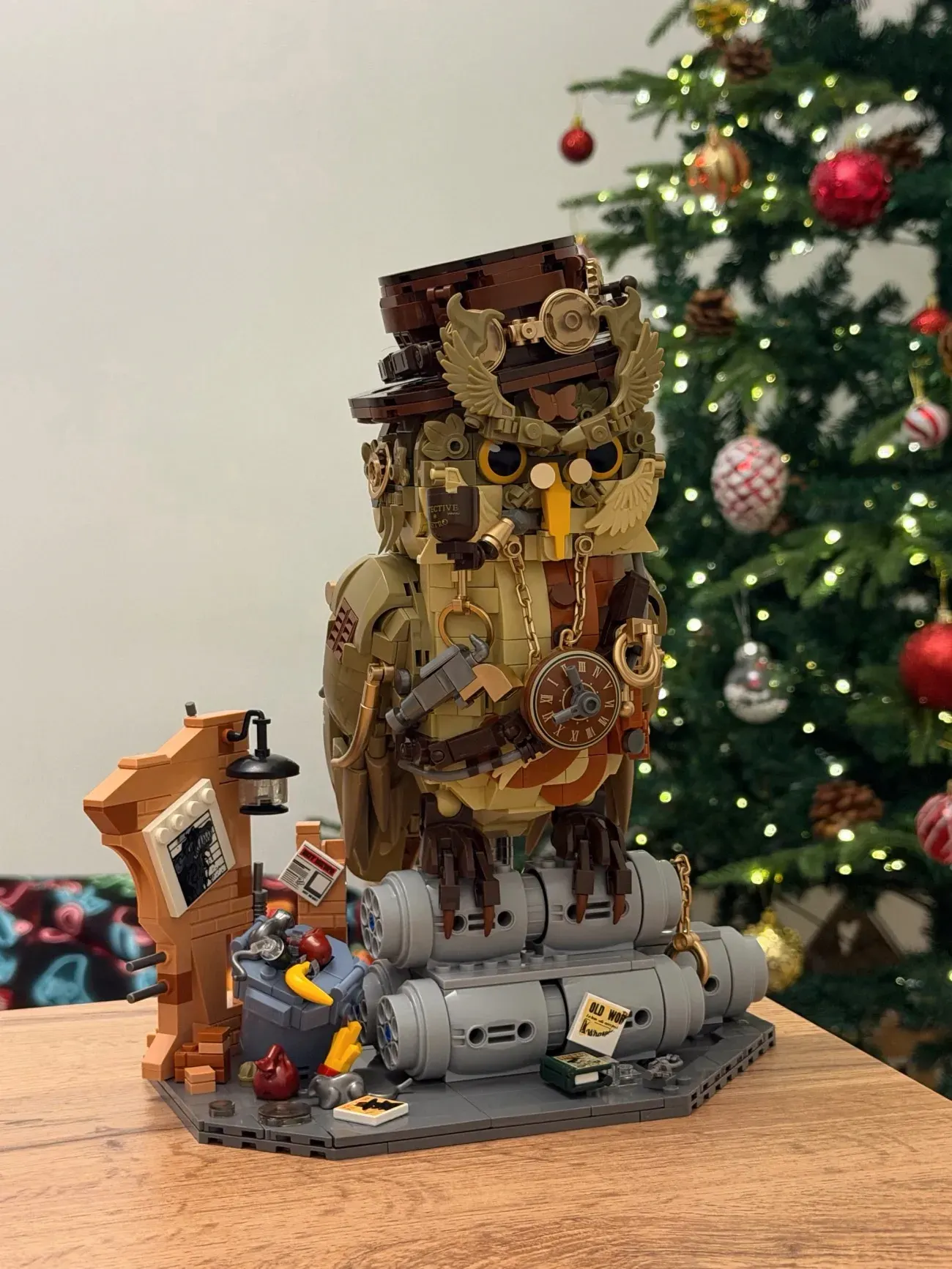
“The layered details give the owl a distinctive look. It has become an eye-catching piece in my collection.”— Emma Hayes
loading